Introduction
In today’s fast-paced work environment, optimizing personal productivity is a priority for many professionals. Leveraging data-driven tracking methods provides a clear framework to understand and enhance how time and energy are used.
Context / Problem
Many individuals struggle with inconsistent productivity levels and lack objective feedback on their work habits. Without measurable indicators, it becomes challenging to identify inefficiencies or behavioral patterns that impact output.
What can be measured or tracked
Key productivity metrics include:
- Time spent on focused work vs. distractions
- Task completion rates and deadlines met
- Frequency and duration of breaks
- Communication patterns (emails, meetings)
- Energy and mood levels throughout the day
- Use of productivity tools and software analytics
Quantified Self perspective
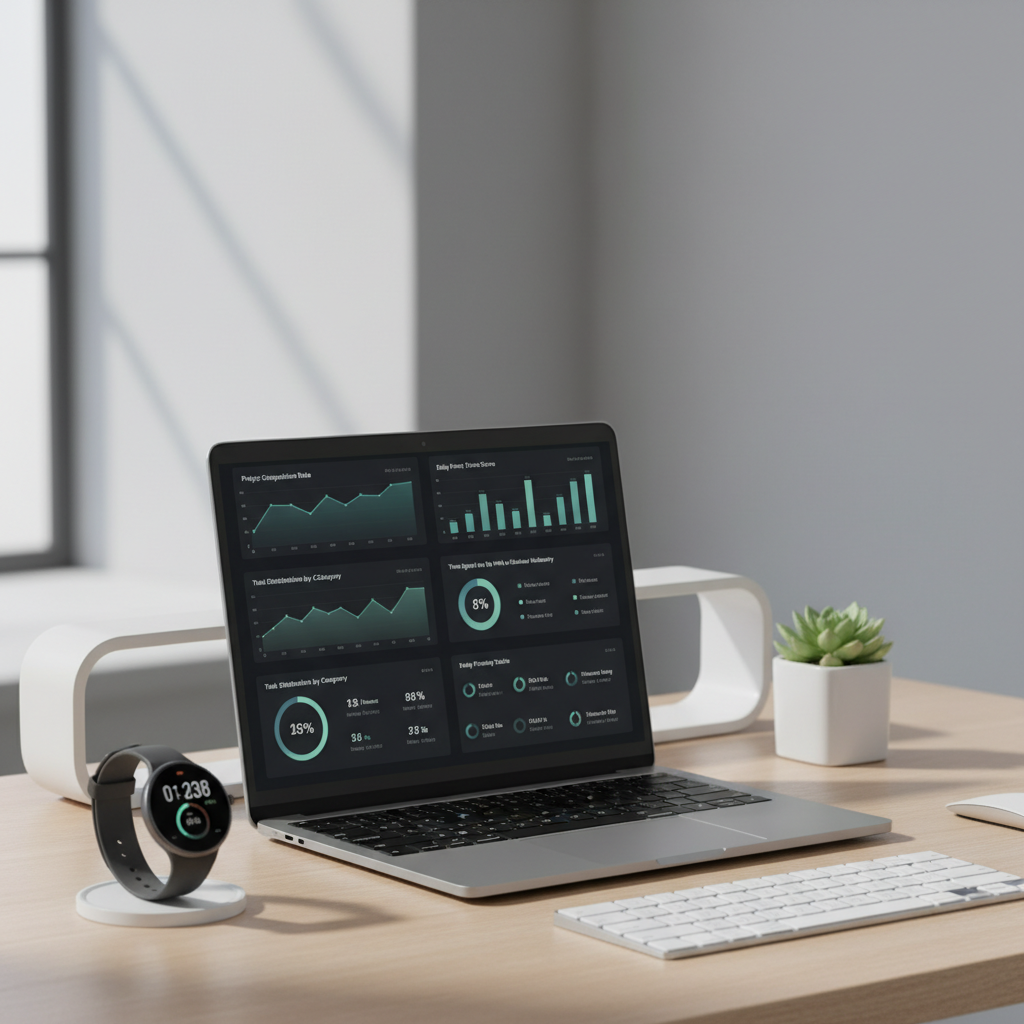
Adopting a Quantified Self approach means systematically collecting and analyzing these data points to uncover actionable insights. Tracking via apps, digital calendars, or wearable devices allows individuals to visualize productivity trends, identify bottlenecks, and experiment with new strategies to optimize performance.
Conclusion
Integrating data-driven tracking into daily routines enables a structured understanding of personal productivity. By continuously measuring relevant metrics, individuals can make informed decisions, adjust behaviors, and ultimately improve efficiency in a measurable way.