Introduction
Sleep quality is a critical factor in overall well-being, productivity, and health. In the context of the Quantified Self movement, understanding and tracking sleep patterns can provide actionable insights to optimize daily performance and long-term health.
Context / Problem
Many individuals experience poor sleep quality without fully understanding the underlying causes or their effects on daily functioning. Traditional subjective assessments of sleep often lack precision, making it difficult to identify trends or implement effective interventions.
What Can Be Measured or Tracked
Key metrics for sleep quality include:
- Total Sleep Time (TST): The actual amount of time spent asleep.
- Sleep Stages: Time spent in light, deep, and REM sleep.
- Sleep Latency: Time taken to fall asleep.
- Wake After Sleep Onset (WASO): Duration of awakenings during the night.
- Sleep Efficiency: Ratio of time asleep to time spent in bed.
- Heart Rate Variability (HRV): Indicator of autonomic nervous system balance during sleep.
- Respiratory Rate: Breathing rate during sleep periods.
These data points are often collected via wearables, dedicated sleep trackers, or smartphone apps.
Quantified Self Perspective
From a data-driven perspective, tracking sleep quality allows individuals to correlate sleep patterns with daytime performance, mood, and health outcomes. By systematically collecting and analyzing these metrics, users can identify environmental or behavioral factors affecting sleep, such as caffeine intake, screen time, or stress levels.
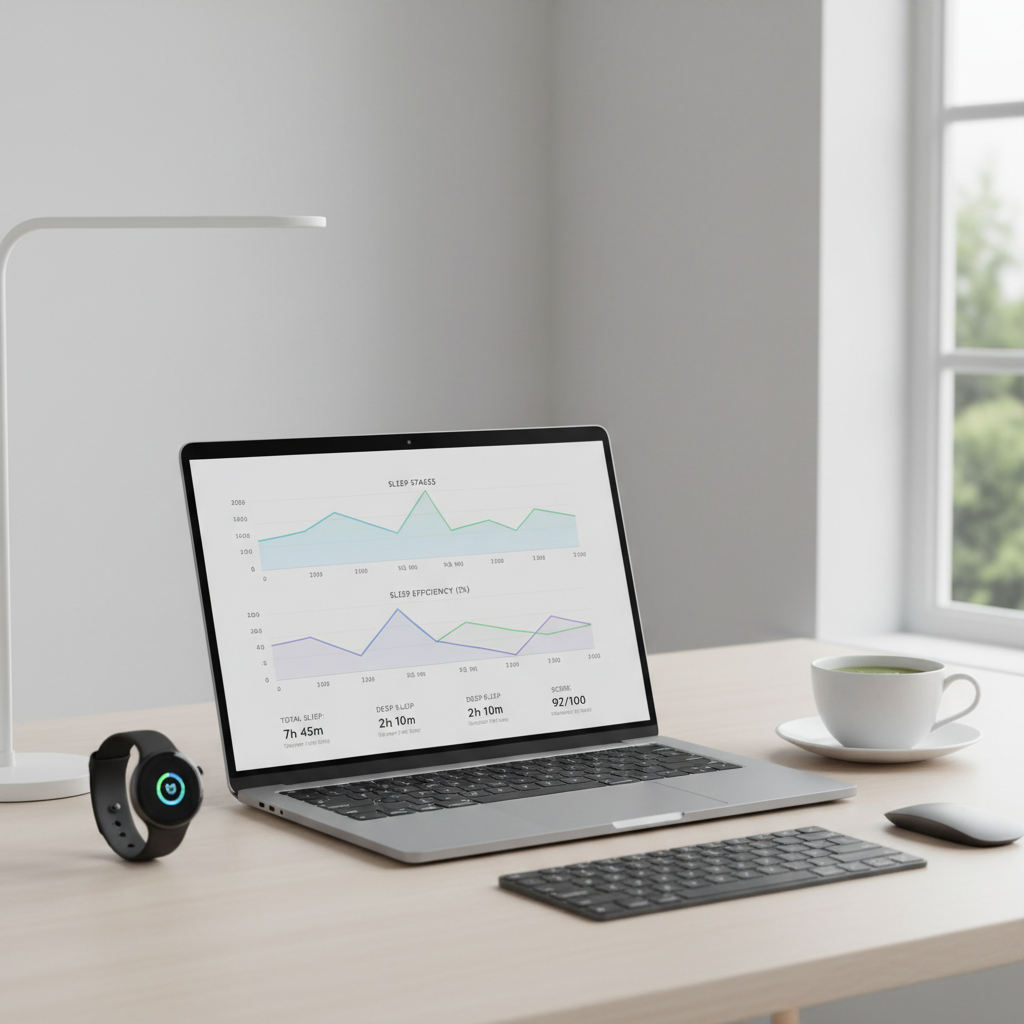
Consistent tracking creates a personalized baseline and highlights deviations that may require lifestyle adjustments or professional consultation. Moreover, visualizing sleep data through dashboards supports ongoing self-awareness and motivation to improve sleep hygiene.
Conclusion
Measuring and understanding sleep quality is essential for anyone seeking to enhance their health and productivity through the Quantified Self approach. By leveraging precise sleep metrics, individuals can make informed decisions, optimize their routines, and track progress effectively over time.
Taking the next step involves selecting reliable tracking tools and integrating sleep data with other health and behavioral metrics to gain comprehensive insights into personal well-being.